

Common ground.
Uncommon results.
The future formula for public outreach
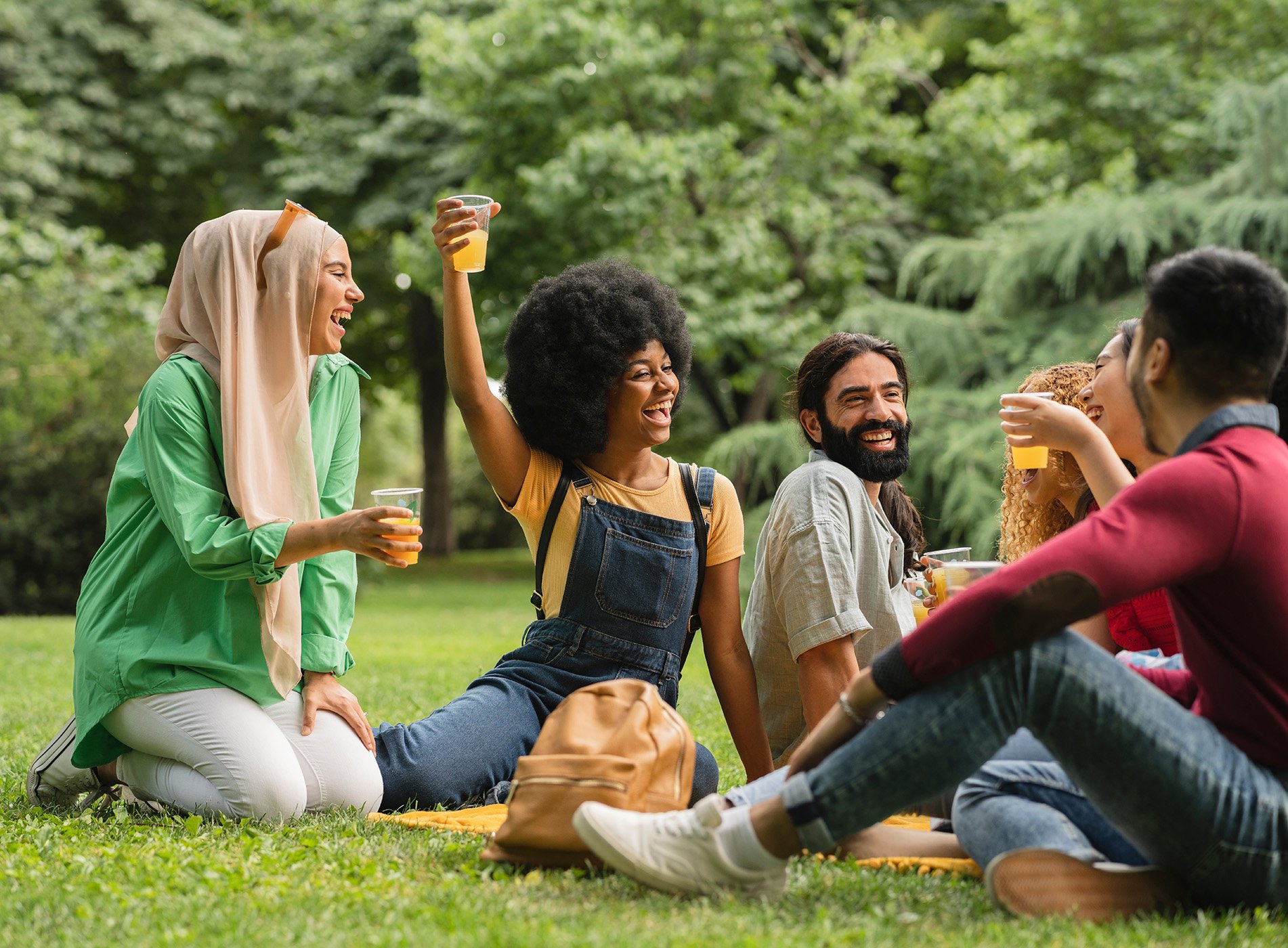
When the city decides to rezone your block or reroute the school bus, you shouldn't find out from a sign stapled to a telephone pole. CCG leads outreach that actually reaches people—not through jargon-filled town halls, but through door-to-door conversations and community picnics where diverse populations discover they're worried about the same things. We turn individual concerns into community-wide solutions.


Our people-first philosophy
We knock on doors and ask the question that actually matters: 'What worries you about this project?' Then we find the patterns. When three different people mention the same dangerous intersection, that's not a coincidence. That's a starting point. CCG doesn't run 'outreach processes.' We help inspire proactive participation that makes a difference.
When public outreach fails
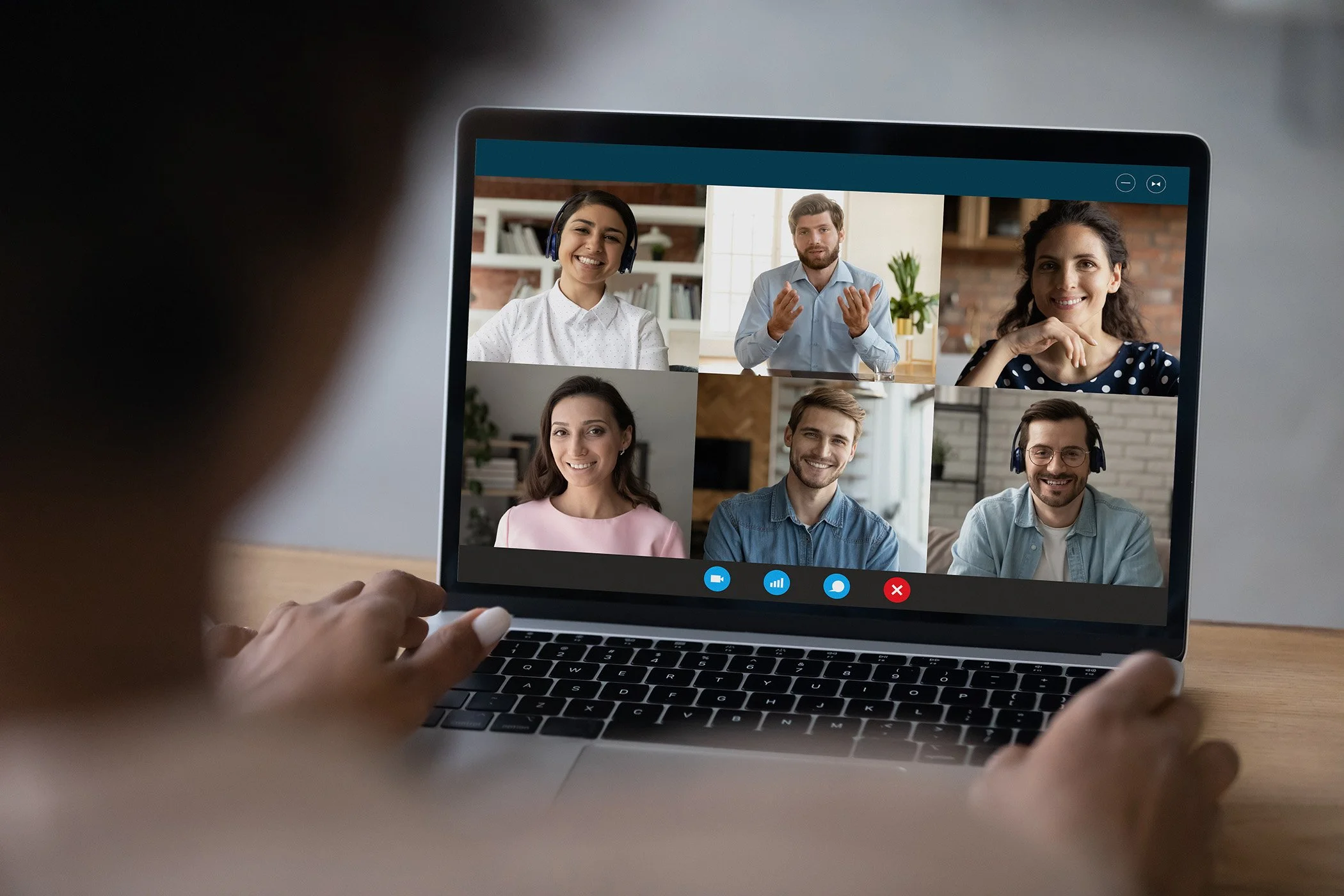
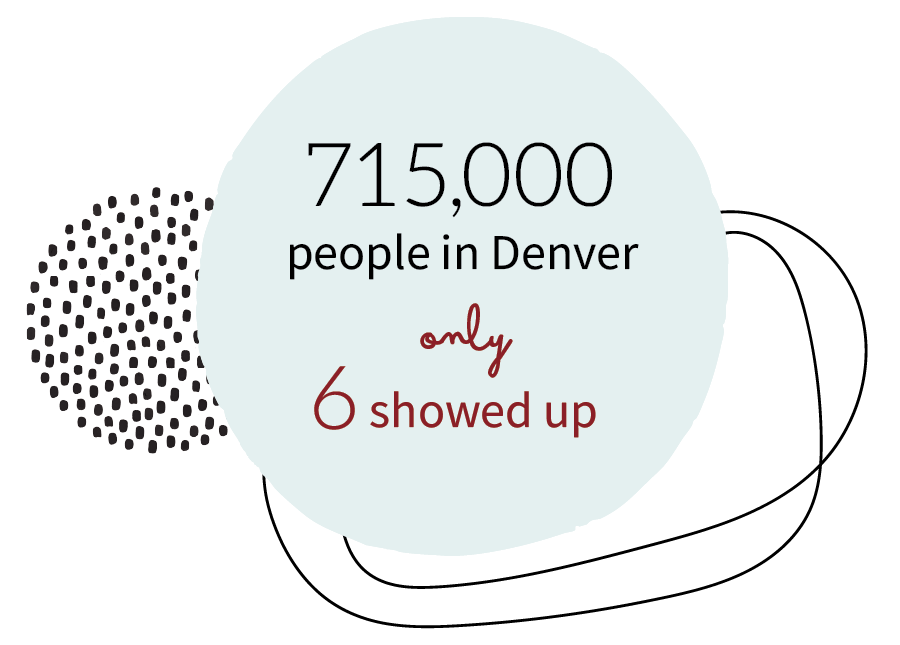
Six people showed up to Venita Currie's heavily promoted virtual community meeting in 2021. Out of 715,000 Denver residents, only six people came. Venita started CCG with the idea that traditional community engagement is broken and she knew how to shake things up.


People don't skip community meetings just because they're too busy. It might be because 'comprehensive zoning review' doesn't sound like it has anything to do with them. CCG translates civic-speak into human stakes: This isn't about land use policy—it's about whether your neighborhood park becomes a parking lot.
From 'comprehensive planning' to 'wait, that affects me?'
Town halls vs front porches
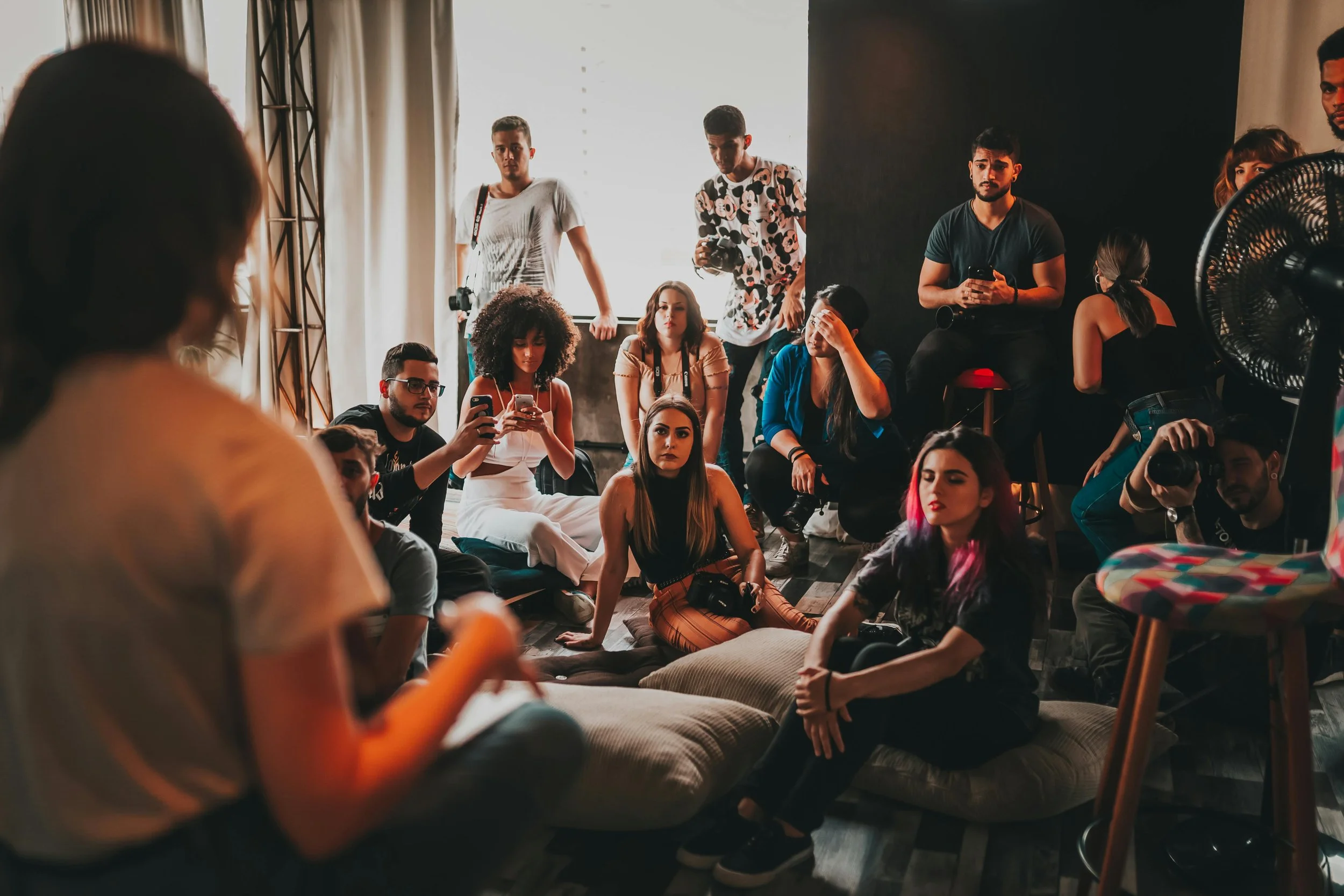
Town halls start with a microphone in a room full of strangers. CCG starts on porches. We get neighbors talking to each other first—over fences, at dinner tables, in driveways. By the time they show up to the community meeting, they're not performing for a crowd. They're continuing a conversation they've already started. They're ready to problem-solve together.